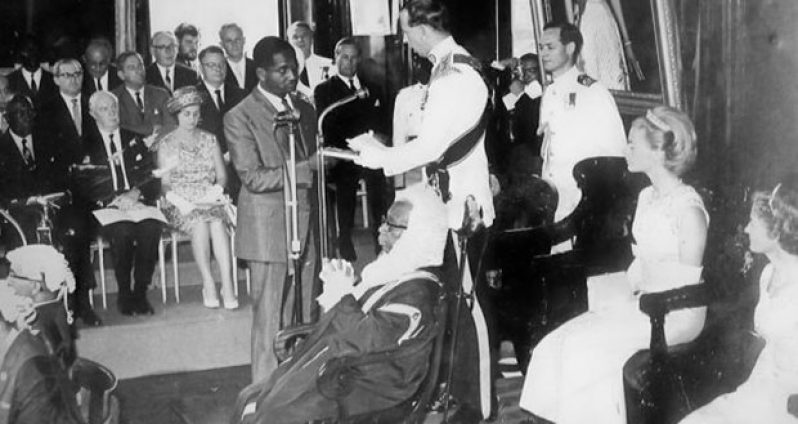
By 1961, British Guyana had achieved semi-autonomous rule and, by 1966, full independence from Great Britain. Interestingly enough, Great Britain was asked to help mediate between the three major upcoming political parties who couldn’t, try as they may, compromise on the nitty gritty details of what was to be their new Constitution.
The UK selected a type of proportional representation (taking into consideration the new country diverse ethnic groups) and this resulted in a new coalition government formed. Guyana joined the Commonwealth of Nations in 1966 and remains a member to this day.
Internal strife and neighbourhood disputes plagued the new country, with Venezuela claiming half of Ankoko Island and a slither of land along the Guyanese coast in the mid-1960s.
By 1969, the Central Government had managed to quash a rebellion of its indigenous population on the Venezuelan border, highlighting what would become a persistent struggle, by the Amerindians of Guyana, to gain respect and representation in the new country.
Guyanese of Indian and African descent make up the great majority of the population and, in turn, government representation.