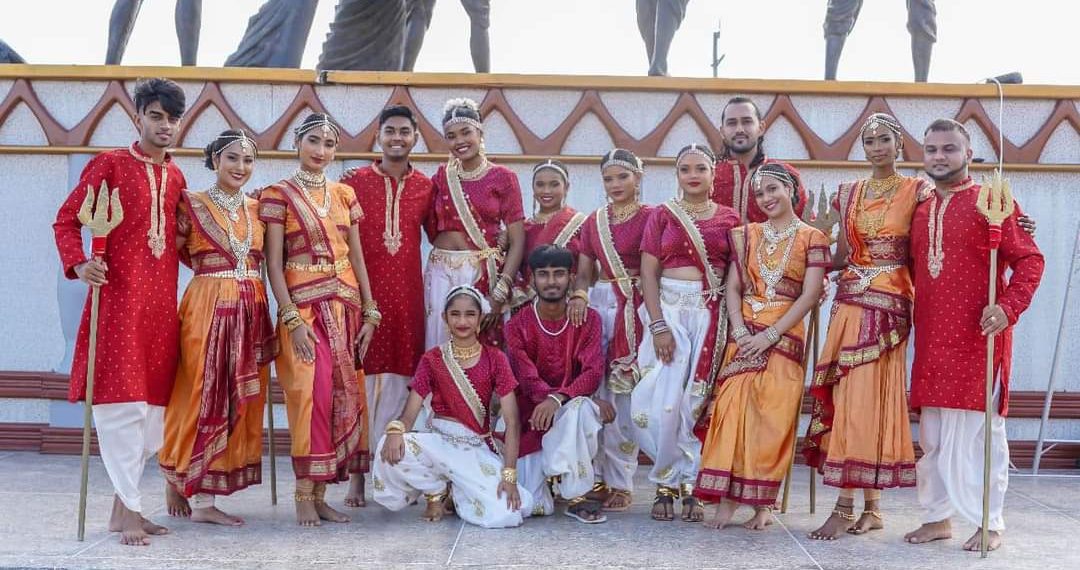
Guyana is a diverse nation, 39.8% of the population is of East Indian origin, 30% Black African 19.9% multiracial, 10.5% Amerindian and 0.5% other, mostly Chinese and whites (most notably Dutch people, Portuguese and English).
The Amerindians (American Indians)
The first people to came to Guyana from migrating from Asia thousands of years ago, crossing the Bering Strait land bridge into North America and gradually moving south into South America, with groups settling in the region that is now Guyana.
The Europeans
The second people that found the Amerindians (first people) while looking for El dorado (gold) and wanted resource by enslaved Africans, As Christopher Columbus Whom first sighted the coast in 1498.
The Africans
African history in Guyana is rooted in the brutal Atlantic slave trade, where enslaved people from West Africa were forcibly brought by the Dutch and British for sugar plantations, leading to immense suffering but also powerful resistance, like the Cuffy-led Berbice Rebellion (1763) and the Demerara Revolt (1823), culminating in emancipation in 1838, after which Afro-Guyanese established independent villages, forming a significant cultural and demographic force, second only to Indo-Guyanese today
Portuguese:
Portuguese history in Guyana began with indentured laborers from Madeira arriving in 1835 to work sugar plantations after slavery's abolition, but they quickly transitioned to commerce, dominating retail, rum shops, and becoming a vital middle class, significantly shaping Guyana's economy and culture through trade, Catholicism, and cuisine, with their legacy marked by "Portuguese Arrival Day" on May 3rd
The East Indians
East Indian history in Guyana began with mass migration under British indentureship (1838-1917) to work on sugar plantations after slavery ended, bringing ~139,000 laborers, mostly from North India (Uttar Pradesh), creating a significant Indo-Guyanese population that developed a unique cultural identity distinct from India, focusing on rice, agriculture, and trades, eventually forming a major demographic bloc that profoundly shaped Guyana's society and politics.
The Chinese
Chinese history in Guyana began in 1853 with the arrival of the first indentured laborers from China, primarily Hakka men, sought by sugar planters after slave emancipation to work the cane fields within Fourteen thousand Chinese arrived in British Guiana between 1853 and 1879 on 39 vessels bound from Hong Kong by the British Raj officials to fill the labor shortage on the sugar plantations engendered by the abolition of slavery.